Seventy Days of Dread: Lessons From the TikTok Ban Scramble Nobody Saw Coming
For a few surreal weeks, the most urgent tech question in America wasn't AI or crypto. It was a download button.
In the weeks before and after the federal law targeting TikTok took effect, creators and casual users alike faced an uncomfortable realization: years of videos, comments, and community — all of it living on servers they'd never see, governed by a company they couldn't call — could evaporate with a court ruling. The result was a nationwide scramble that turned ordinary people into accidental archivists, often with no idea what they were doing.
The Panic Was Real, and It Was Predictable
Talk to anyone who lived through the countdown and you'll hear the same story told different ways. A dance creator in Ohio with 400,000 followers exporting her entire catalog at 2 a.m. A small business owner in Texas who built her whole marketing operation on the platform, suddenly screenshotting analytics dashboards like they were family photos.
The pattern repeated itself because the platform made it possible to panic but difficult to prepare. TikTok's built-in data export tool — the one that emails you a zip file — became the most-trafficked page on the app for a stretch. The problem? That export is famously shallow. It gives you metadata and low-resolution copies of some content, not the crisp originals creators assumed they'd get.
One video archivist who helps creators back up their libraries described the wave of requests as "people showing up with a shoebox of receipts asking me to rebuild their house." The raw material was there. The structure wasn't.
What the Export Button Doesn't Tell You
Here's the part that surprised the most people: the official export is a courtesy, not a safety net.
It compresses video quality, strips much of the contextual data, and can take days to process — a real problem when your deadline is a court order. Creators who waited until the final week found themselves in a queue behind millions of others doing exactly the same thing at exactly the same time.
The lesson isn't that TikTok did anything wrong. It's that platform-provided backups are designed for the platform's convenience, not yours. When your livelihood or your memories depend on a file, you want the best copy available — captured on your schedule, stored where you control it.
The Three Things People Lost That They Didn't Expect
When the dust settled, the stories of loss clustered around three things nobody had planned for:
The originals. Most creators had drafts, outtakes, and unposted material living only in the app's cloud. Those didn't come with a download option at all.
The context. A video without its caption, comment thread, and posting date is a stranger at a funeral. Archivists call this "context loss," and it's the quiet killer of every personal archive. Knowing when and why you posted something is half its value.
The audience. Follower lists, DMs, and community connections simply don't export. You can save the videos; you can't save the room they were shown in.
Building Your Own Countdown Plan
You don't need a federal statute to justify protecting your work. Here's the playbook archivists wished everyone had before the panic:
-
Download your best copies now, not later. Use a reliable tool to save your published videos at full quality, on your timeline. Waiting for a crisis means competing with everyone else's crisis.
-
Keep a plain-text sidecar file for every video. Title, date, description, performance notes. It sounds tedious; it takes seconds per video and doubles your archive's value.
-
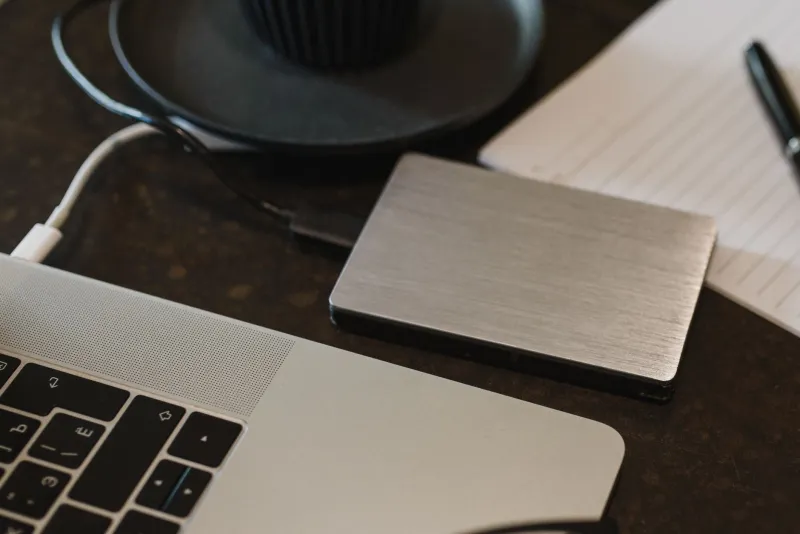
Follow the 3-2-1 rule. Three copies of anything you care about, on two different types of storage, with one copy somewhere else entirely — a drive at a friend's house counts.
-
Rehearse the exit. Once a quarter, actually try to retrieve a video from your archive and open it. An untested backup is a rumor, not a plan.
The Next Ban Is a When, Not an If
TikTok wasn't the first platform to put its users through this, and it won't be the last. Divest-or-ban legislation, sudden policy shifts, API shutdowns, and acquisitions have all orphaned content before. The users who weathered the TikTok scare best weren't the ones who downloaded the fastest — they were the ones who'd never needed to rush.
Owning your content isn't paranoia. It's the difference between a 70-day panic attack and a shrug. The next countdown is already ticking somewhere. The question is whether you'll be exporting in a frenzy or sleeping fine, knowing your videos are already home.