Downloading Videos Online? Here's What the Law Actually Says Before You Click Save
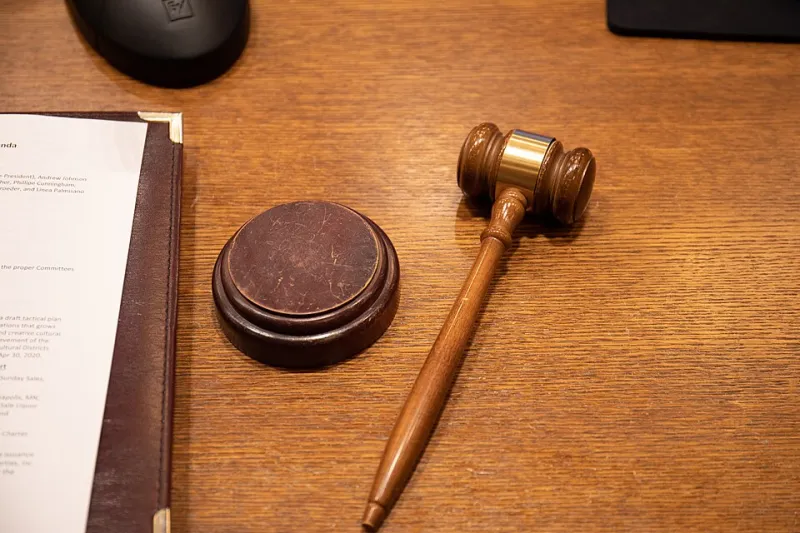
Photo: Czbik, CC0, via Wikimedia Commons
Let's be honest: most people who download videos online aren't trying to steal anything. They're trying to save a cooking tutorial before it gets taken down, preserve a documentary clip for research, or keep a backup of their own content before a platform decides to pull the plug. Totally reasonable, right?
Maybe. But the legal reality of video downloading is a lot messier than a simple yes or no. Copyright law, platform terms of service, and federal statutes like the DMCA all have something to say about it — and they don't always agree with each other. Let's break it all down.
The DMCA: The Law That Keeps Coming Up
The Digital Millennium Copyright Act (DMCA) was signed into law back in 1998, long before YouTube existed. But it's still the central legal framework shaping what you can and can't do when you save online video.
The most relevant section for video archivists is Section 1201, which prohibits circumventing "technological protection measures" — basically, any digital lock a platform puts on its content. If a streaming service encrypts its video files to prevent downloading, bypassing that encryption is technically illegal under the DMCA, even if you have no intent to distribute or monetize the content.
This is where things get uncomfortable. Plenty of widely-used video downloading tools work by accessing video streams in ways that may technically qualify as circumvention. You might never share the file with a single person, but the act of getting around that protection could still put you on the wrong side of federal law.
That said, enforcement against individual users for personal archiving is extremely rare. The DMCA's teeth are mostly used against tool developers and large-scale piracy operations, not someone saving a recipe video to their hard drive.
Platform Terms of Service: The Rules Nobody Reads
Here's the thing about terms of service: almost nobody reads them, but they're legally binding contracts. And virtually every major video platform — YouTube, Vimeo, TikTok, Instagram — explicitly prohibits downloading content without permission.
YouTube's Terms of Service, for example, state that users may not "download any Content unless... YouTube has provided a download link or button." Violating these terms doesn't make you a criminal, but it can get your account suspended or permanently banned. For creators who've built an audience on those platforms, that's a serious consequence.
The one notable exception? YouTube Premium subscribers technically have access to offline downloads through the app itself — but that's a sandboxed experience, not a free pass to save files to your desktop.
So what does this mean practically? If you're downloading someone else's content from a platform that prohibits it, you're almost certainly violating their terms — even if your intentions are pure.
Fair Use: The Most Misunderstood Defense in Copyright Law
Fair use is the legal doctrine that allows limited use of copyrighted material without permission under specific circumstances. It's what lets film critics show clips, educators assign readings, and journalists quote sources. But fair use is widely misunderstood — and it doesn't work the way most people think.
Fair use isn't a blanket permission slip. It's a four-factor test that courts evaluate case by case:
- The purpose and character of the use — Is it transformative? Commercial or educational?
- The nature of the original work — Factual content gets less protection than creative work.
- The amount used — How much of the original did you take?
- The effect on the market — Does your use hurt the original creator's ability to profit?
Downloading a full video for personal archiving doesn't automatically qualify as fair use. If you're saving a short clip to use in a commentary video or academic presentation, you're on stronger ground. If you're downloading an entire feature-length documentary and sitting on it, that's a different story.
Real-World Scenarios: Where Do You Actually Stand?
Scenario 1: You download your own YouTube videos as a backup. This is almost certainly fine. You own the copyright to your own original content. The platform's terms of service technically still apply, but practically speaking, no one is going to come after you for saving your own work.
Scenario 2: You download a news clip for a research project. This lands in fair use territory, particularly if you're using a small portion for commentary or criticism. Keep it brief, keep it transformative, and don't redistribute it commercially.
Scenario 3: You download a full independent film from Vimeo. This is risky. You're violating Vimeo's terms of service, potentially triggering DMCA concerns, and almost certainly infringing on the filmmaker's copyright — especially if that film is monetized or available for purchase elsewhere.
Scenario 4: You archive a livestream from a creator who later deletes their channel. This is genuinely gray. Internet archivists and organizations like the Internet Archive operate under specific frameworks and often work with creators or institutions directly. Individual users saving content without permission are on shakier ground, even with good intentions.
What You Can Do Legally (And Safely)
None of this means video archiving is off the table. It just means doing it thoughtfully.
- Download your own content regularly. This is the clearest, safest use case. Don't rely on platforms to be your backup.
- Use platform-provided download features. Some platforms, like YouTube (Premium), Vimeo (paid plans), and Coursera, offer legitimate offline access.
- Reach out to creators directly. Many independent creators are happy to share files if you explain your purpose.
- For research and education, document your fair use reasoning. If you're saving content for a legitimate academic or journalistic purpose, keep records of why and how you're using it.
- Check Creative Commons licenses. A huge amount of online video is licensed under Creative Commons, which may explicitly permit downloading and redistribution.
The Bottom Line
The law hasn't caught up with the internet, and that gap is where most of the confusion lives. Downloading videos isn't automatically illegal — but it's not automatically legal either. Context matters enormously: who made it, what platform it's on, what you plan to do with it, and whether any technical protections were bypassed.
At SaveVid, we believe in building a smarter relationship with your video content — one that's grounded in both preservation instincts and legal awareness. The best archive is one you built the right way.